
Diabetes Types, Testing and Everyday Care
Learn how type 1, type 2 and gestational diabetes differ, when to ask about testing and what to discuss with your care team.

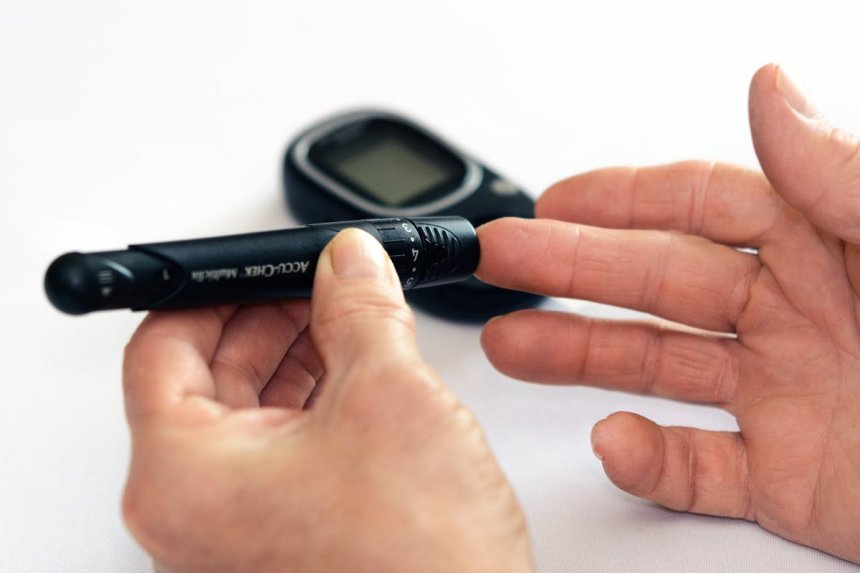
Diabetes affects how the body handles glucose, a sugar it uses for energy. Insulin helps move glucose from the blood into cells. Blood glucose can rise when the body makes too little insulin or has trouble using it. The type of diabetes matters because it shapes the care a person needs. CDC diabetes basics
How the main types differ
- Type 1. The immune system attacks the cells that make insulin. People with type 1 need insulin to live.
- Type 2. The body responds less well to insulin and may eventually make too little. Family history, age and other factors affect risk. Changes to diet and activity can help prevent or delay type 2 in people at increased risk.
- Gestational diabetes. This develops during pregnancy. Ask your antenatal team about screening, treatment and follow-up after delivery.
When to ask about a test
Frequent urination, unusual thirst, unexplained weight loss or blurred vision are reasons to contact a healthcare professional. Type 2 can develop with few noticeable symptoms. If you have a family history or have had gestational diabetes, ask when to be screened. A clinician can choose a suitable blood test and explain the result. CDC diabetes symptoms · CDC diabetes testing
Get emergency help for possible diabetic ketoacidosis, including fast, deep breathing or persistent vomiting with other signs of diabetes. It can occur before someone has been diagnosed. CDC guidance on diabetic ketoacidosis
What prevention can look like for type 2
If a clinician says you have prediabetes, discuss changes you can keep up. You might start with a short walk after a meal on several days each week and add beans and vegetables to a lunch you already enjoy. Set a follow-up date to review your test result and routine. Ask about a structured prevention programme if one is available. CDC type 2 prevention guidance
Living with diabetes
Make a written plan with your care team. Ask which medicines to take, whether to check blood glucose at home, what symptoms require urgent help and when you need eye, kidney or foot checks. Tell the team about obstacles such as the cost of medicines, food access or shift work. If daily care feels overwhelming, ask what emotional support is available. CDC resources on living with diabetes
Correction. This guide clarifies which type of diabetes can often be delayed through lifestyle changes and when to seek care. AlexJots guide to preventive screening
Share
What's Your Reaction?
 Like
0
 Dislike
0
 Love
0
 Funny
0
 Angry
0
 Sad
0
 Wow
0